Our mission is to create a place of positivity for fathers fighting for access to their children during and after divorce. The heart of that mission is the formation of a protest choir of fathers who will learn and perform the Don Quixote-inspired classic “The Impossible Dream” outside four Bay Area family courthouses. Their journey will be captured in a documentary showing their unforgettable journey. Beyond choir recruitment, this site also offers a Fathers Wall to allow fathers to share personal stories of their victories, a fathers in the news wall to share news stories about victorious fathers and a merchandise page where fathers can buy custom t-shirts to help them feel empowered in their fight to get fair and equal access to their children.
Filmmaker, Father, Litigant, Advocate
Stories of people choosing to fight what others called impossible.
Moves to San Francisco to study photojournalism at San Francisco State University. Begins to work at the San Francisco Foundation for a day job to afford classes. While working at the nonprofit, he is exposed to issues that include education, social justice, health and the arts.
Shifts his focus from photography to filmmaking after buying a video camera and a Mac computer to teach himself how to make films. He forms A & I Pictures to work on three short films as exercises where he can teach himself how to make movies on his own.

Wrote, produced, directed and edited #1, his first 30-minute dramatic thriller which premieres at the 2004 San Francisco Black Film Festival.
Wrote, produced, directed and edited My Grief is My Own, a one-hour dramatic thriller which premieres at the 2008 Orlando Hispanic Film Festival.
Wrote, produced, directed and edited Valentine’s Day, a one-hour dramatic thriller. Achieves his goal of completing three short films to teach himself how to make films in four years.

Submits Valentine’s Day to be considered for the 2009-2011 American Film Institute’s Masters Conservatory in Directing. Is selected as one of only 28 directing fellows to attend the two-year program He is the oldest director in the directors discipline for that year and is one of two directors selected without an undergraduate degree.
While attending his first year, he:
• Studies under Joseph Sargent, director of iconic action film The Taking of Pelham One Two Three, Gil Dennis, screenwriter of the Johnny Cash biopic Walk the Line and Frank Pierson, Oscar-winning legendary screenwriter of Cool Hand Luke and Dog Day Afternoon.
• Is elected to be the first year directors representative to work with AFI staff on issues related to the directing discipline students needs.
• Makes three short films as directed by the program. Due to the passing of one of his fellow students, is given the opportunity to direct a fourth short film which he writes and directs.
• Attends master class lectures with renowned directors like Steven Soderbergh, Gary Ross, Jon Favreau, Werner Herzog, Frank Darabont and Michael Mann.
• Is selected to be one of the attending fellows at a televised AFI discussion on collaboration with legendary filmmaker Steven Spielberg and John Williams.
• Is selected by AFI in that televised discussion to ask Spielberg and Williams a question
during that program which aired on TNT in 2011.
In his second year, he completes Happy Birthday Michael Peck, his thesis film produced as part of the AFI Masters Conservatory.. The film went on to play a number of festivals including the 2011 Detroit-Windsor International Film Festival, the 2011 Ojai Film Festival(where it won the The Limelight Award for Best Student Film) and the 2012 Newport Beach Film Festival
In 2012, Jim is selected as a semi-finalist in the prestigious Nicholl Fellowship for his feature screenplay “The Importance of Blood”. The screenplay is also selected as one of 13 of the best un-produced genre scripts in 2012’s Blood List.


Signed by Gersh Agency after being hired to write The Woman Inside, a thriller based on an idea by Gwyneth Paltrow for Blumhouse Films. He accomplishes both in one day after pitching the movie idea at Paltrow’s Brentwood home on his 44th birthday.
To better support his family and provide health care for his daughter, he returns to work in nonprofits by accepting a position at the John Muir Health Foundation. Over his time at the Foundation, he raises funds for front line health care workers during the global COVID pandemic and to build the Jean and Ken Hofmann Cancer Center in Walnut Creek.
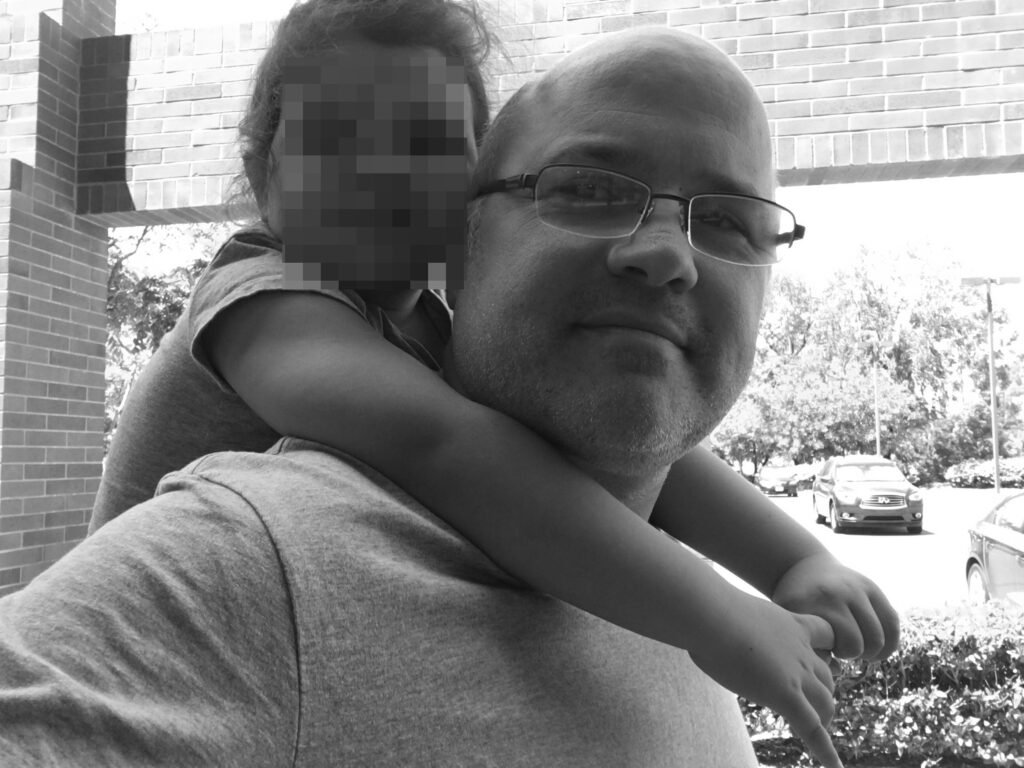
Marries Heather Slavens in June 2011 two days after graduating from the American Film Institute.
Clara Breen is born in March 2012 in Glendale, California nine months later.
The couple lives in Eagle Rock, California for the first years of Clara’s life. During these first years, Jim is a stay at home dad while Heather works in Los Angeles. Spends his time writing and taking meetings while caring for Clara.
While Clara has some health issues including allergies and skin conditions, his daughter develops normally. The little girl develops a love for Sesame Street, grilled cheese sandwiches and daily excursions to playgrounds, local malls and the Los Angeles Zoo. In these first few years, her language and communication skills are normal and there are few signs of the regression to come.
The family moves to El Cajon, California outside of San Diego to live with Heather’s parents to get financial and emotional support. At the age of 3, Clara quickly loses all language skills and is unofficially diagnosed as autistic by a teacher at her morning care program.
Jim continues to raise Clara as a stay at home dad during these difficult years. He spends his time taking Clara to therapy programs including OT and speech programs. Clara gets Regional Center support which officially diagnoses her with autism in a long process that is emotionally difficult for the couple. And she has daily appointments with ABA therapists to assist her in social interactions.
To assist the family financially and offer Clara better health insurance, he moves to Walnut Creek to take a full time position at the John Muir Health Foundation and steps back from filmmaking.
Heather Breen takes on the role of home school teacher and Clara is her only student. Clara is finally properly diagnosed by her neurologist with a rare neurological disease called Landau Kleffner disorder.
During this period, he works full time fundraising and assists her mother daily in Clara’s care. He enjoys spending his nights and weekends taking Clara to local playgrounds and weekend trips to beaches and creeks where Clara enjoys playing in the water.
Jim and Heather separate after twelve years of marriage. This occurs four months after Heather disappears with Clara on July 8, 2023 with no note or text telling of the location of their daughter. This disappearance is not disclosed in the declaration of dissolution.
Over the course of the next three years, Jim is unjustly accused of domestic abuse and his due process rights are ignored by Contra Costa Superior Court. Most of the actions by the court are ruled on by Judge Gina Dashman and Presiding Judge Christopher Bowen.
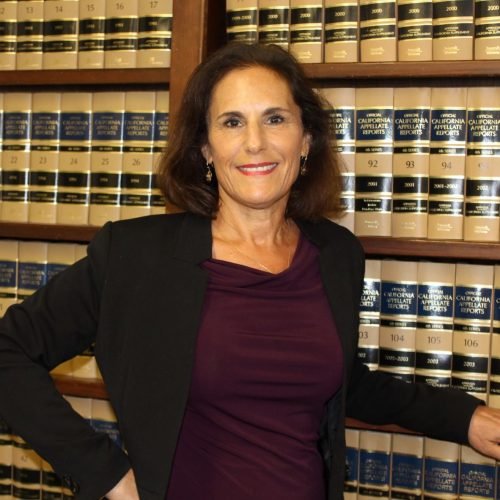
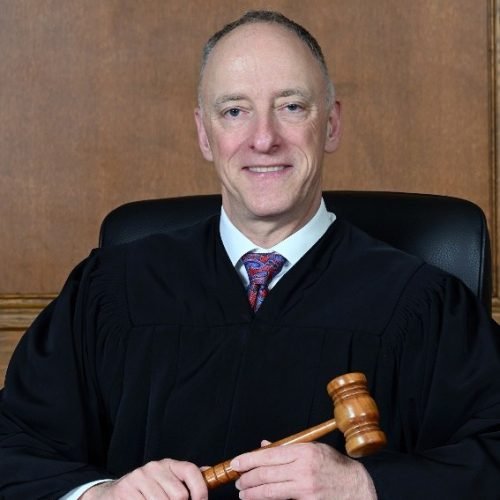
These Judges are being singled out because 98 percent of the rulings and actions taken below were made in short cause 10-15 minute hearings with no presentation of evidence, cross examination or live testimony. These rulings and actions include:
March 11, 2024 – Accused of domestic abuse without evidence at his first custody hearing. He had no legal counsel, there was no cross-examination or live testimony and there was no court reporter to document the accusation.
March 11, 2025 – His legal custody rights taken away due to more false allegations without a hearing by Judge Dashman. They are restored after an evidentiary hearing five months later. This hearing was also presided over by Judge Gina Dashman.
September 29, 2025 – Was denied a request for a long-cause hearing on the subject of domestic abuse charges after he won back his legal custody rights. This was also presided
over by Judge Gina Dashman.
December 19, 2025 – Was turned down when he filed a cease and desist order to stop his wife from making false allegations of abuse without evidence. Judge Gina Dashman stated that cease and desist order infringed upon the accuser’s Freedom of Speech.
January 30 ,2026 – Was ruled to be a vexatious litigant for fighting against domestic abuse accusations and to get equal access to his daughter. Judge Gina Dashman uses the five motions he filed to disqualify her as a reason to label him a vexatious litigant. He now has to get court approval before filing any orders.
February 1, 2026 to October 1, 2026 – Presiding Judge Christopher Bowen denies 95 percent of the 10 to 15 repeated court filings submitted with checkbox denials and no reasoning. Two of these court filings were motions to disqualify Judge Gina Dashman.
April 27, 2026 – Judge Gina Dashman removes his legal custody a second time in another shortcause hearing due to more allegations that he is dangerous without evidence. Dashman then denies a long-cause hearing when he files a motion for reconsideration to get his legal custody back. Dashman then issues a $5,062 sanction against him for refusing to withdraw the motion.
May 18, 2026 – Files a federal civil rights lawsuit against Presiding Judge Bowen for his administration of the pre-filing orders linked to the vexatious litigant orders.
June 9, 2026 – Is served with a temporary Domestic Violence Restraining Order which made no claims of domestic violence or abuse. Paragraph’s 79-81 of the DVRO list both the filing of the motions to disqualify Judge Dashman and the filing of the federal civil rights lawsuit against Judge Christopher Bowen as “bizarre behavior” and reason to issue a long term DVRO.
July 20, 2026 – Northern District of California federal court rules that the federal civil rights lawsuit against Judge Bowen can be struck because he is protected by the Eleventh Amendment and judicial immunity. The lawsuit isn’t even given a hearing.
August 20, 2026 – In response, Jim files for an appeal of the federal civl rights lawsuit for the striking of the lawsuit Judge Christopher Bowen is served with notice of appeal
September 4, 2026 – Jim files a motion for change of venue to move the DVRO case to San Francisco and shows evidence using the reasonable person standard that he cannot get a fair and impartial trial in Contra Costa Court.
September 4, 2026 – October 1, 2026 – Presiding Judge Christopher Bowen refuses to respond or to rule on the change of venue to allow Jim to move the case to the San Francisco court.
Starts The Sons of Quixote, an organization that stands up for fathers rights by focusing on positive actions, hope and inspiration to fathers fighting for fair and equal rights to their children. The organization and the protest choir that the organization is dedicated to forming is inspired by a single performance of The Impossible Dream by Brian Stokes Mitchell which he watches on Youtube the month before.
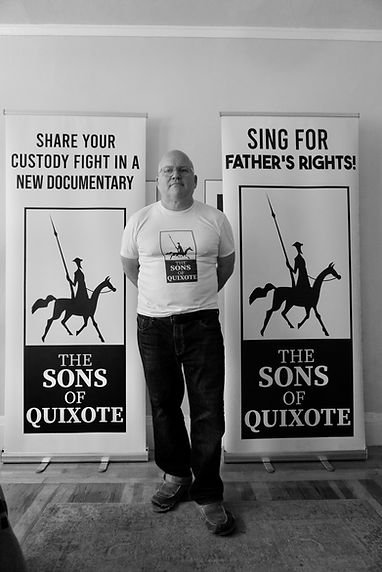
Builds a mobile kiosk to put up in front of court houses and in local shopping malls to try to recruit fathers for the protest choir.
Stories of people choosing to fight what others called impossible.
An August 31, 1870, editorial from The New York Times. A disorganized political faction was trying to block a committee bill, but their strategy was so scattered and ineffective that the editors wrote: “They have too much sagacity to make their opposition to the Committee’s bill anything more than tilting at windmills.” This stands as one of the earliest recorded uses of the full idiom in mainstream American journalism
Carl Schurz and Civil Service Reform: Legendary political cartoonist
Thomas Nast frequently used Quixote imagery in Harper’s Weekly. He famously depicted statesman Carl Schurz as Don Quixote. Schurz spent decades fighting against the “spoils system” (political corruption where winning politicians handed out government jobs to friends). To the political machines of the 1870s and 1880s, Schurz’s dream of a merit-based, uncorrupt government was viewed as a laughably impractical, quixotic fantasy
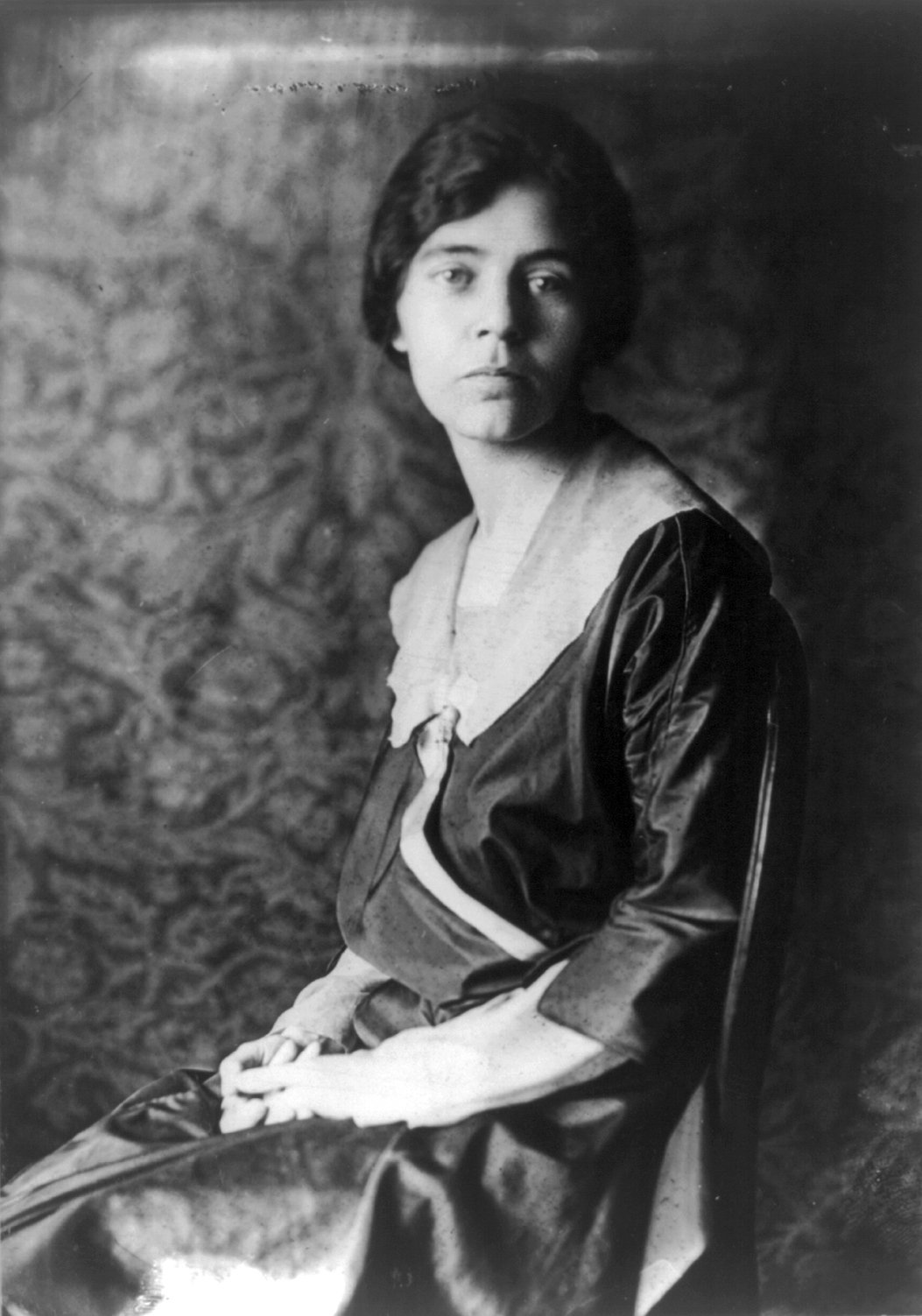
The “Windmill” of Congress and the Supreme Court: Opponents of suffrage—including conservative politicians and wealthy corporate anti-suffrage lobbying groups—frequently dismissed women’s rights leaders like Alice Paul and Carrie Chapman Catt as “quixotic” dreamers. Skeptics argued that rewriting the U.S. Constitution to grant women voting rights was a hopeless attempt at “tilting at windmills” against the natural legal and social order. Rather than backing down, some suffragists leans into the imagery, viewing themselves as noble knights fighting a righteous battle against the monstrous, immovable giant of systemic political disenfranchisement.
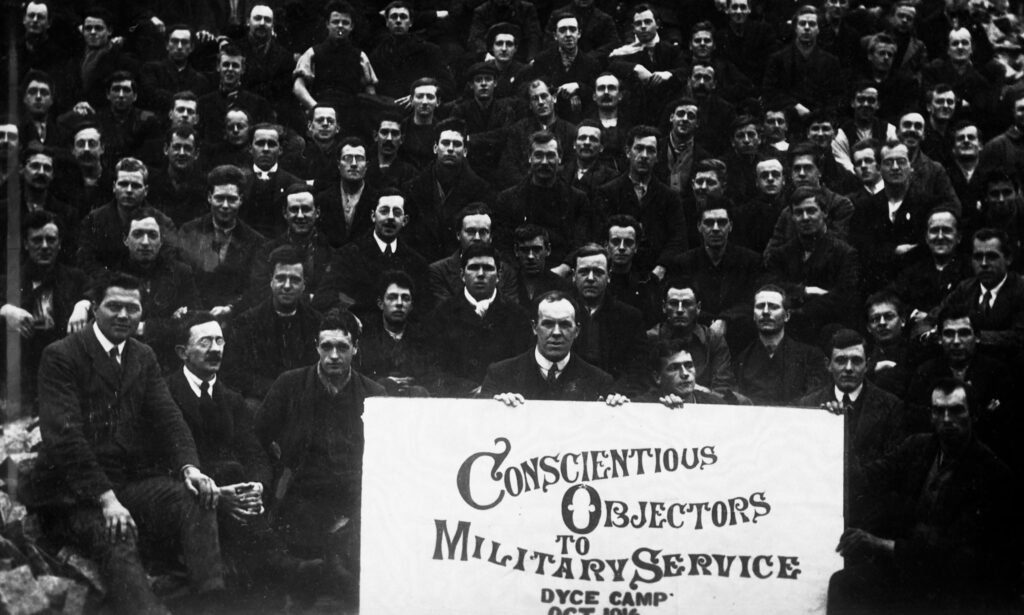
The “Windmill” of Global Militarism: Groups like the Fellowship of Reconciliation (founded in 1914) argued that international disputes could be settled without violence. To a world engulfed in the first mechanized, industrial total war, the idea of global peace was mocked as the ultimate form of quixotic madness. Mainstream media and pro-war politicians argued that trying to eliminate wartime aggression was a textbook case of “tilting at windmills”. However, these pacifist leaders countered that dismantling the global culture of violence was the single most urgent “impossible” project humanity had to face
The Modern Knights-Errant: In response, over 35,000 foreign volunteers from around the world including the American Abraham Lincoln Battalion traveled to Spain on their own dime to fight fascism. Literary journalists at the time frequently explicitly compared these volunteers to Don Quixote. They were individuals heading to La Mancha’s home country to fight an incredibly well-funded, heavily armed fascist war machine backed by Hitler and Mussolini. Though the Republic fell, this particular “windmill tilt” was re-framed by writers like Ernest Hemingway not as foolish madness, but as the ultimate tragic, heroic stand for human liberty.
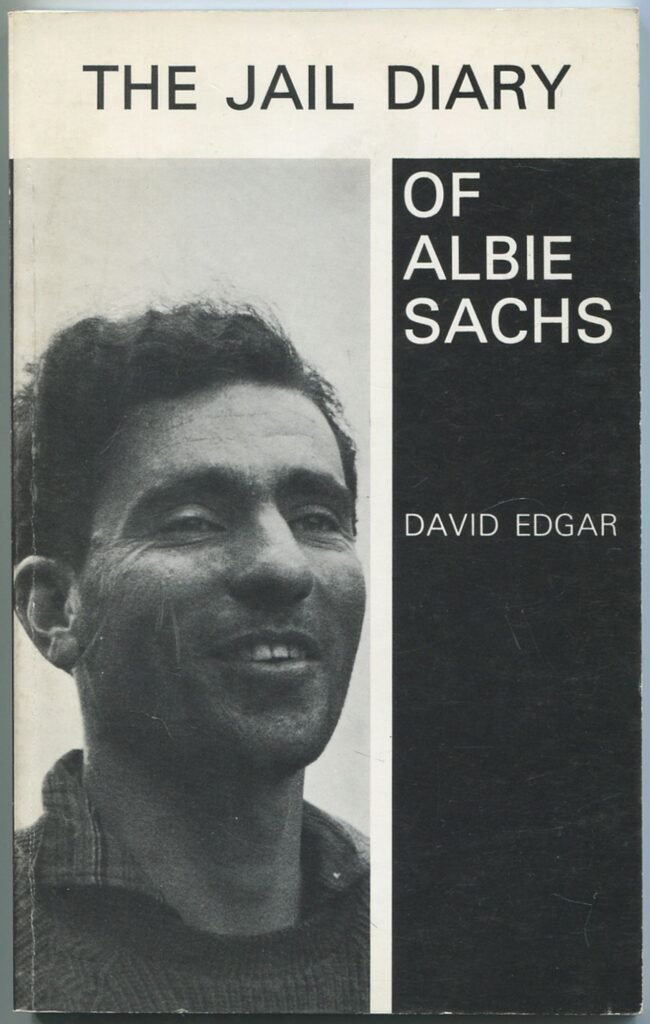
The Romantic Idealist-South African Anti-Apartheid activist Albie Sachs has written and spoken extensively about his lifelong relationship with the novel. During his 168 days in solitary confinement in 1963, he found deep personal refuge in Don Quixote, particularly the second volume because Cervantes wrote it after experiencing imprisonment himself Sachs famously recounted. His multi-decade struggle culminated when Nelson Mandela appointed him to the country’s first Constitutional Court, turning his “quixotic” legal battle into the actual law of the land
“I’ve often been told I’m a romantic idealist and ‘Quixotic’ — as though it’s pejorative. But in different moments of my life I’ve deeply identified with the slightly crazy idealist who’s constantly knocked off his horse, gets up with the help of Sancho Panza, and rides off to another encounter…” — Albie Sachs
Man of La Mancha and its flagship song completely inverted the cultural meaning of Don Quixote, turning a centuries-old insult about foolish delusion into a modern badge of honor about visionary moral courage.
Before the song debuted in 1965, calling someone “quixotic” or saying they were “tilting at windmills” was overwhelmingly negative. It meant a person was out of touch with reality, chasing hallucinations, or wasting energy on a hopeless, self-destructive battle. For over 350 years, audiences read Miguel de Cervantes’ novel as a cautionary tale or a satirical comedy about the dangers of losing your grip on reality.
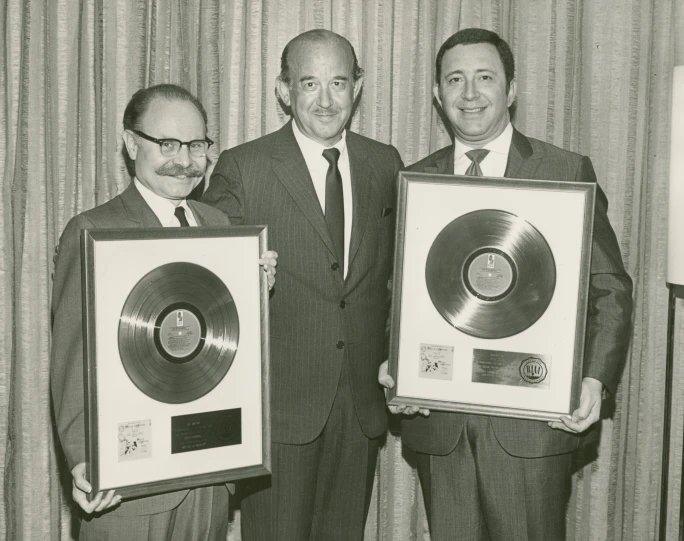
The musical, written by Dale Wasserman, deliberately reframes this. It rejects the cold, clinical “sanity” of the pragmatic world. As for the song “The Impossible Dream”, this iconic song written by Mitch Leigh with lyrics by Joe Dorian helped to redefined the character for the modern era.
The Ultimate Example: Robert F. Kennedy’s 1968 Campaign
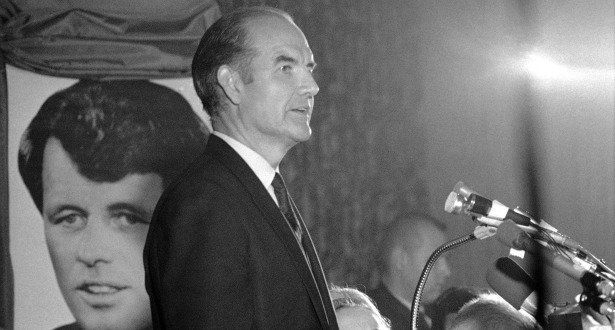
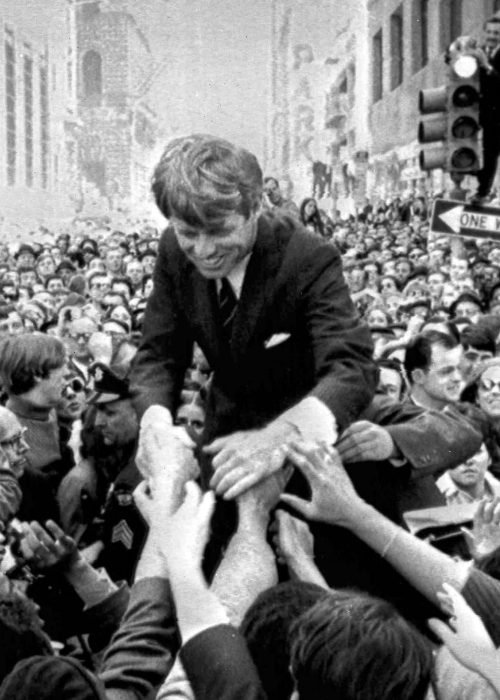
The Broadway musical Man of La Mancha was a personal favorite of Robert F. Kennedy, who deeply connected with the concept of “tilting against windmills” to achieve systemic social change. The most famous intersection of the song and his campaign occurred on the trail in South Dakota:
Senator George McGovern introduced Kennedy to a crowd by directly quoting the lyrics of “The Impossible Dream” to describe RFK’s disruptive, late-entry challenge against an entrenched establishment.
Afterward, Kennedy pulled McGovern aside and asked him privately if he truly believed his bid for the White House was impossible. McGovern responded: “No, I don’t think it’s impossible. I just… wanted the audience to understand it’s worth making the effort, whether you win or lose.”
Kennedy replied: “Well, that’s what I think.”
His exact exchange redefined “quixotic” in modern American politics. It directly mirrored Kennedy’s famous campaign closing line, borrowed from George Bernard Shaw:
“Some men see things as they are and ask ‘Why?’ I dream of things that never were and ask, ‘Why not?'” -Robert F. Kennedy,
The Civil Rights Movement & The Congressional Black Caucus
In the decade following Martin Luther King Jr.’s assassination, black political leaders frequently used the song to bridge the gap between MLK’s legacy and the legislative battles of the 1970s.
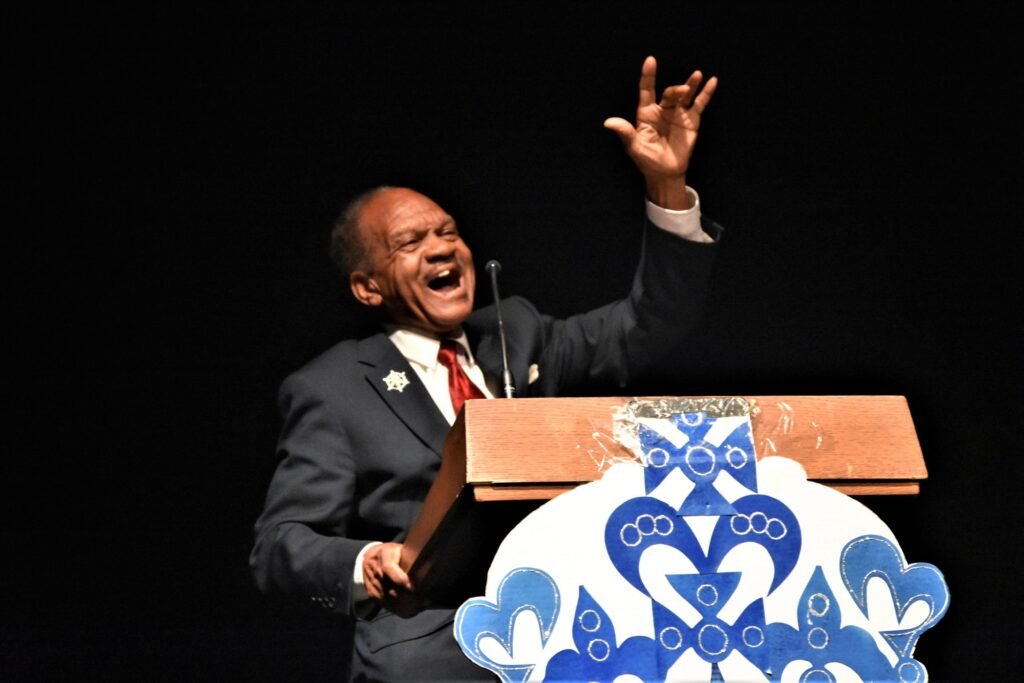
Brian Stokes Mitchell: Singing for Healthcare Workers & The Entertainment Community Fund
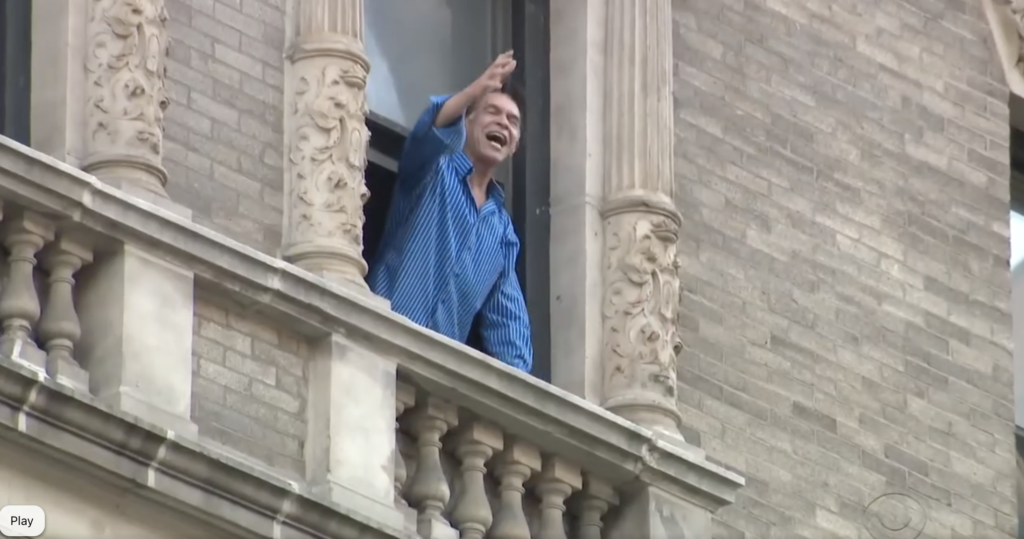
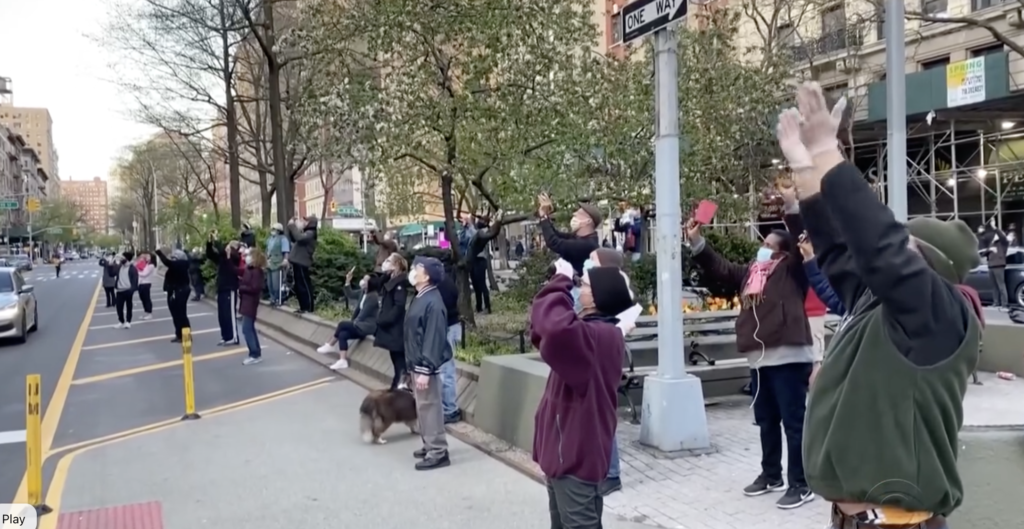
During the height of the COVID-19 pandemic in the spring of 2020, Tony-winning baritone Brian Stokes Mitchell became a global symbol of resilience. After surviving a severe case of COVID-19 himself, he began standing in his Upper West Side apartment window every night at 7:00 PM—the exact time New Yorkers leaned out of their windows to applaud essential workers—and sang “The Impossible Dream” out into the streets to honor healthcare workers
Beyond the nightly moral boost, his performances served a massive fundraising purpose. Mitchell has served as the Chairman of the Entertainment Community Fund since 2004. His viral window performances drove immense public awareness and donations to the fund, which distributed a record-breaking $24 million in emergency financial and healthcare assistance to theater and entertainment workers sidelined by the pandemic shutdown.
Aaron Lazar: “The Impossible Dream” Movement for ALS
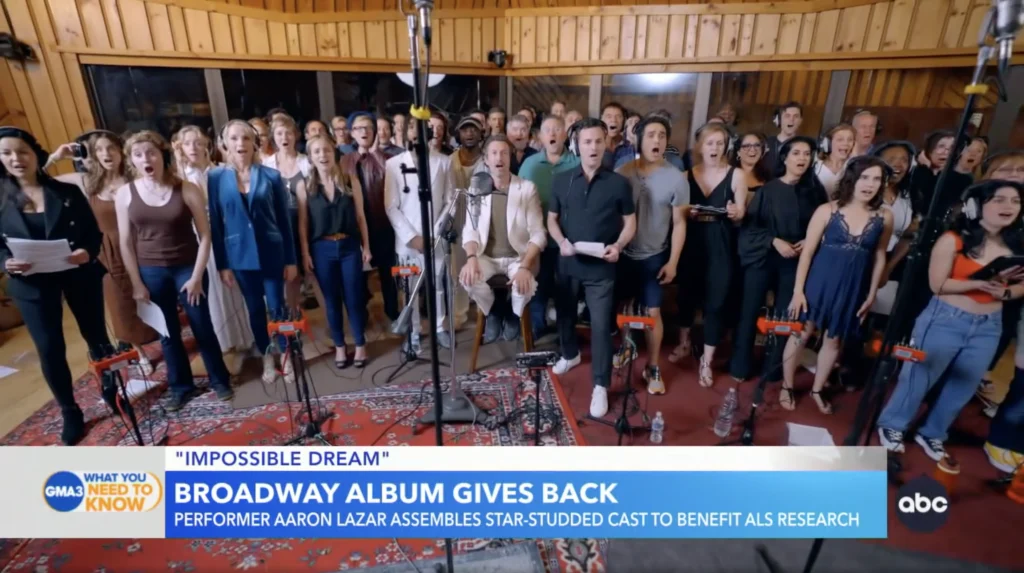
An even more direct, star-studded example of the song being recorded to raise money for healthcare and medical research is the Impossible Dream movement created by Broadway actor Aaron Lazar.
Lazar (known for starring roles in Les Misérables and The Light in the Piazza) was diagnosed with Amyotrophic Lateral Sclerosis (ALS), a terminal neurodegenerative disease. Refusing to submit to the diagnosis, he adopted “The Impossible Dream” as his literal personal mantra for healing, resilience, and transformation.
In 2024, Lazar brought the Broadway community together to record a star-studded benefit album titled Impossible Dream. The centerpiece of the project was a massive group recording of “The Impossible Dream” featuring over 75 Broadway legends, including Lin-Manuel Miranda, Kristin Chenoweth, Josh Groban, Neil Patrick Harris, Kelli O’Hara, Leslie Odom Jr., and Brian Stokes Mitchell himself.
Released in August 2024, the album climbed the charts to raise vital funds and awareness for the ALS Network and the Les Turner ALS Foundation to campaign for a cure, while a parallel GoFundMe campaign helped offset Lazar’s mounting medical and caregiving expenses.
— Edmond Rostand, Cyrano de Bergerac
— Ilan Stavans
Explore the people, works and history behind Don Quixote and The Impossible Dream.
Explore the life and legacy of the author who created Don Quixote.
Discover the history, themes and enduring cultural influence of Cervantes’ novel.
Learn about the Broadway musical and the origins of The Impossible Dream.
No one should have to tilt at windmills alone, and we want you by our side. Whether you want to collaborate on a project, ask a general question, or reach out for a media story, email us at contact@thesonsofquixote.com. Let’s make a difference together!